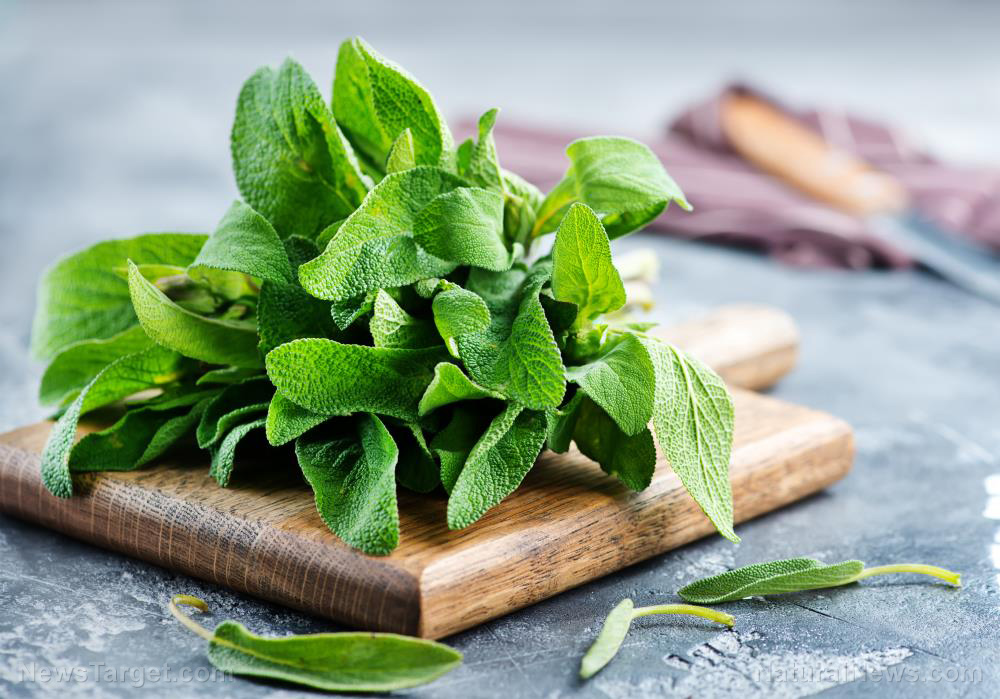
Lemongrass: A fragrant grass valued for its culinary uses and health benefits
10/24/2026 / By Laura Harris
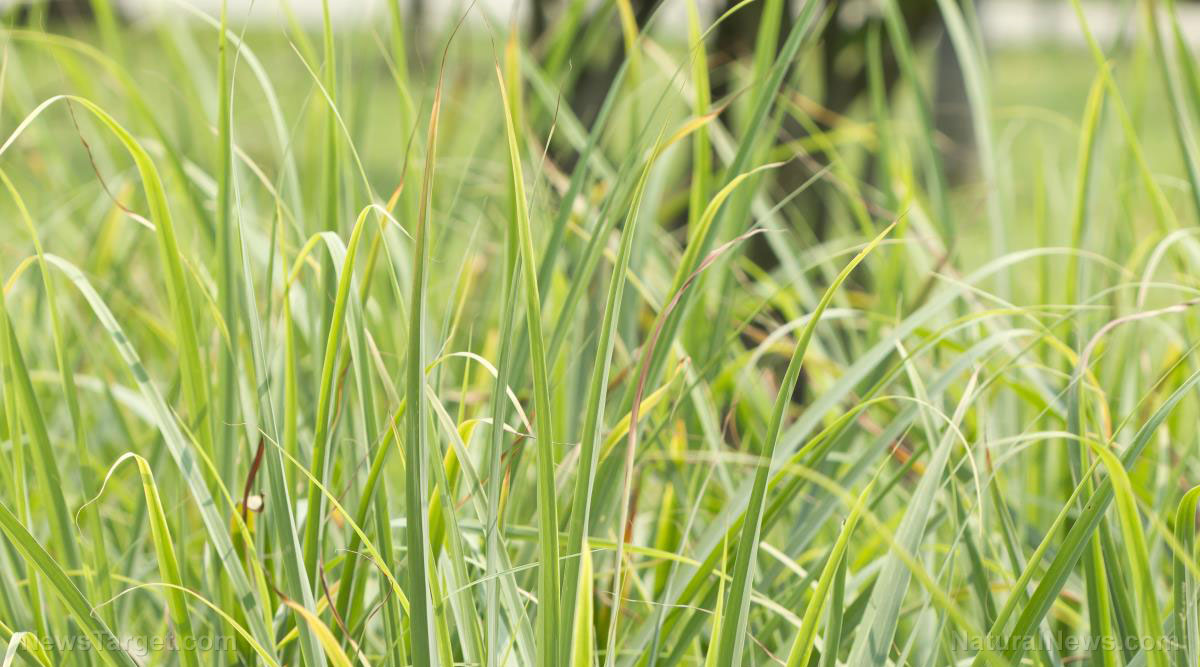
- Lemongrass (cymbopogon flexuosus) is a fragrant, perennial grass native to tropical regions like India, Southeast Asia and South America. It is valued for its culinary uses and health benefits.
- Its essential oil is extracted through steam distillation and has been a key component in traditional medicine, particularly in Ayurveda and Thai herbal practices, for its antiseptic and anti-inflammatory properties.
- Lemongrass oil is rich in bioactive compounds like citral, geraniol and limonene, offering antioxidant, anti-inflammatory, digestive health, antimicrobial and stress-relieving benefits.
- It is available in various forms, including essential oil, dried leaves and fresh stalks and can be used in cooking, teas and as a supplement, with recommended dosages and safety precautions.
- Lemongrass essential oil is commonly used in aromatherapy and diluted for topical applications, promoting relaxation and improving sleep quality when used appropriately.
Lemongrass, scientifically known as cymbopogon flexuosus, is a tall, aromatic grass that belongs to the Poaceae family. It is native to tropical regions, including India, Southeast Asia and South America. The plant is characterized by its long, blade-like leaves and its distinctive lemon-like fragrance. The essential oil extracted from lemongrass is derived from the leaves and stems of the plant and is commonly used in aromatherapy, perfumes and a variety of health and wellness products.
Extraction and history
Lemongrass is extracted through steam distillation, a process that separates the essential oils from the plant material. The leaves and stems are harvested and then subjected to heat and steam, which causes the oils to vaporize. These vapors are then cooled and condensed, resulting in the pure essential oil. This method ensures that the oil retains its natural properties and benefits.
Historically, lemongrass has been used in traditional medicine in several countries, particularly in India and Southeast Asia. Ayurvedic medicine, for instance, has long recognized lemongrass for its antiseptic and anti-inflammatory properties. In Thailand, lemongrass is an essential ingredient in traditional herbal teas and is believed to promote digestive health and alleviate stress. Its widespread use in various cultures speaks to its versatility and effectiveness.
Biological and health benefits
Lemongrass essential oil is rich in bioactive compounds, including citral, geraniol and limonene. These components contribute to the numerous health benefits attributed to lemongrass. Some of the key benefits include:
- Antioxidant properties: Lemongrass is a potent source of antioxidants, which help neutralize free radicals and protect cells from oxidative damage. This can potentially reduce the risk of chronic diseases such as cancer and cardiovascular disease.
- Anti-inflammatory effects: The citral and other compounds in lemongrass have been shown to have anti-inflammatory properties. This can help alleviate symptoms of inflammatory conditions such as arthritis, joint pain and muscle pain.
- Digestive health: Lemongrass has a long history of use in promoting digestive health. It can help relieve bloating, gas and indigestion by stimulating the production of digestive enzymes.
- Antimicrobial activity: The essential oil of lemongrass has been found to possess antimicrobial properties, making it effective against a variety of bacteria and fungi.
- Stress and anxiety relief: The calming and soothing properties of lemongrass essential oil make it an excellent natural remedy for stress and anxiety. Its aroma can help promote relaxation and improve sleep quality.
Availability and consumption
Lemongrass is widely available in various forms, including essential oil, dried leaves and fresh stalks. It can be used in cooking, in tea or as a supplement. When using lemongrass as a supplement, it is important to follow the recommended dosage and consult with a healthcare professional before starting any new regimen.
As an essential oil, lemongrass is commonly used in aromatherapy and topical applications. When used topically, it is often diluted in a carrier oil such as coconut oil or almond oil to prevent skin irritation. For internal use, it is typically consumed in small amounts, such as a few drops in a cup of tea or added to food. The recommended daily dosage can vary, but it is generally safe to use up to one to two drops of lemongrass oil per day when diluted.
Watch this video to learn more about the health benefits of lemongrass.
This video is from the Frozen in Time channel on Brighteon.com.
Sources include:
Submit a correction >>
Tagged Under:
alternative medicine, cymbopogon flexuosus, essential oils, herbal medicine, lemongrass, lemongrass essential oil, natural cures, natural medicine, remedies
This article may contain statements that reflect the opinion of the author
RECENT NEWS & ARTICLES