The cultural fountain of youth: How reading, museums and concerts may slow your biological clock
05/23/2026 / By Ava Grace

- Attending concerts, visiting museums, reading or other arts engagement just a few times per year slows biological aging, with weekly participation linked to a 4% reduction in the aging rate—comparable to the benefits of exercise.
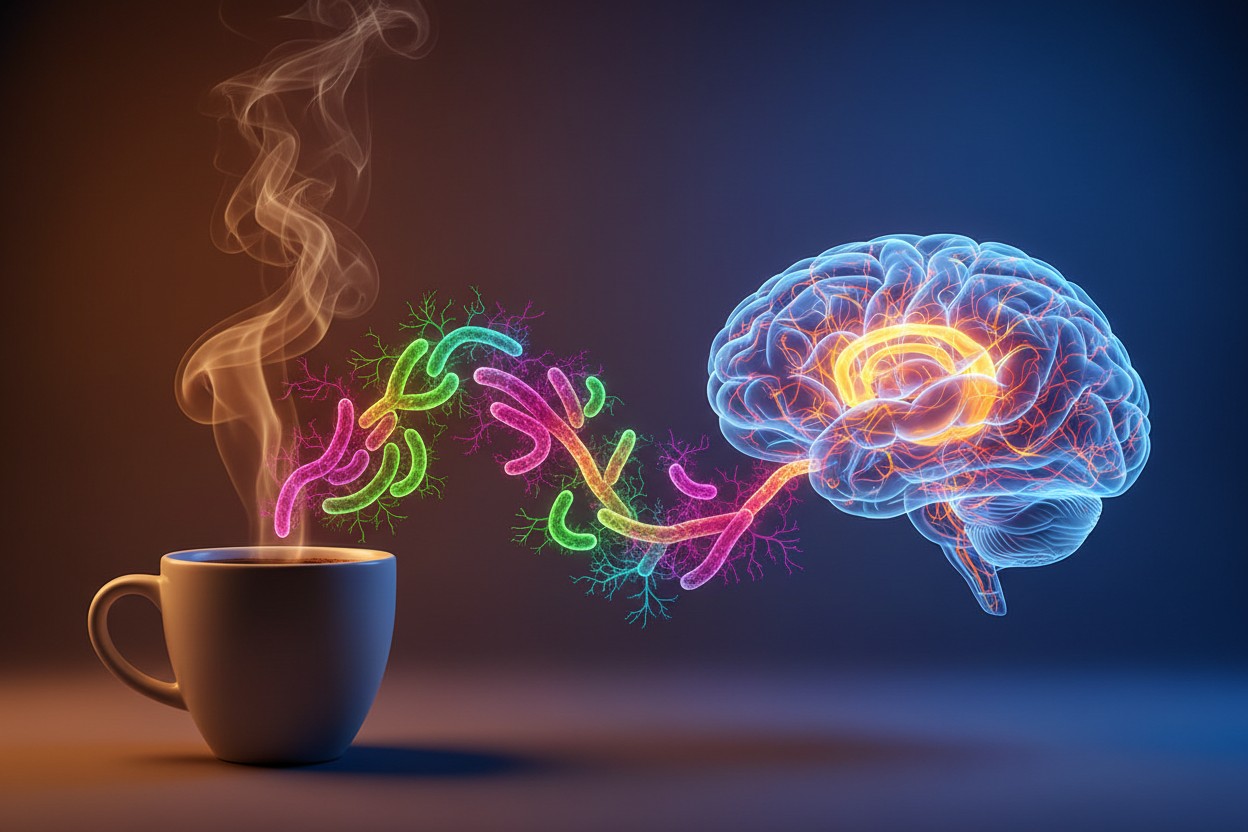
- Unlike physical workouts, cultural activities stimulate multiple brain regions through coordination, language and sustained attention, building neural resilience. Stress reduction is the primary pathway, as these activities lower inflammation and foster mindfulness.
- Group-based cultural activities provide both cognitive stimulation and meaningful human interaction, counteracting loneliness and isolation, which are linked to inflammation, cardiovascular disease and cognitive decline.
- People aged 40 and older, those with chronic stress, early cognitive decline, or social isolation, gain the greatest anti-aging effects from cultural engagement.
- Consistency is key; any activity (journaling, dancing, reading, museum visits) is beneficial and many options (e.g., library books, free museum days) are available regardless of income or physical ability.
In a finding that challenges the notion that longevity demands grueling exercise regimens and strict dietary restrictions, a new study published in the journal Innovation in Aging has discovered that attending concerts, visiting museums, reading books or engaging in other arts and cultural activities just a few times per year may slow the body’s biological aging process.
Researchers at University College London examined data from approximately 3,500 adults, comparing their engagement in cultural activities against biological age measurements derived from epigenetic clocks. These tools estimate how well a person’s body is aging at the cellular level by analyzing changes in DNA. The results suggest that cultural engagement may rival exercise in its anti-aging effects.
What the science of biological aging reveals
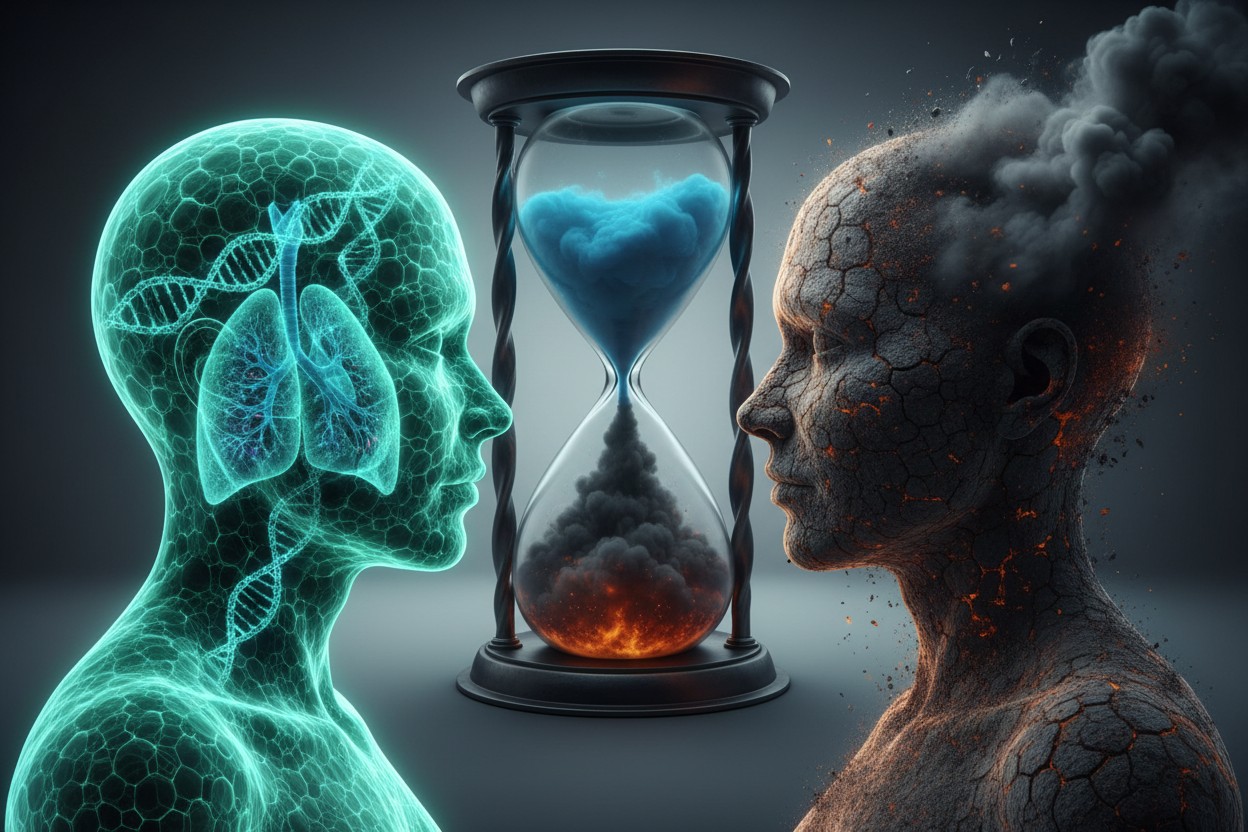
While chronological age counts the years since birth, biological age measures the actual wear and tear on cells and tissues. Epigenetic clocks analyze DNA methylation patterns to determine whether a person’s body is aging faster or slower than expected.
The study found that participants who engaged in arts and cultural activities at least three times per year showed biological aging that was 2% slower than those who participated less frequently. Monthly engagement produced a 3% slowing effect, while weekly participation yielded a 4% reduction in biological aging rate. These benefits persisted even after researchers controlled for factors including body mass index, smoking status, education and income.
Cultural activities rival exercise for longevity
One of the study’s most striking conclusions is that arts and cultural engagement may produce anti-aging benefits comparable to physical exercise. This challenges the prevailing narrative that strenuous workouts are the primary path to healthy aging.
The researchers noted that these activities appear to influence aging through mechanisms distinct from exercise. Reading, attending concerts and creating art stimulate brain regions that physical activity alone may not fully engage. Activities like painting incorporate coordination and information processing. Dancing combines physical movement with cognitive demands. Reading requires language comprehension and sustained attention. These multiple cognitive demands build neural connections that make the brain more resilient to aging’s effects.
Stress reduction as a biological aging mechanism
The primary pathway through which cultural activities slow biological aging appears to be stress reduction. Stress triggers inflammation throughout the body and chronic inflammation accelerates cellular damage and speeds biological aging. Arts and cultural engagement provide an outlet for processing emotions, foster mindfulness and often connect people socially.
Social connection itself carries significant health benefits. Loneliness and social isolation have been linked to increased inflammation, higher rates of cardiovascular disease and accelerated cognitive decline. Cultural activities that involve group participation amplify these benefits by combining mental stimulation with meaningful human interaction.
Historical context for today’s aging crisis
This research arrives at a critical moment. The United States Census Bureau projects that by 2030, one in five Americans will be retirement age. Healthcare systems face unprecedented strain from age-related diseases including dementia and cardiovascular conditions.
For decades, public health messaging has emphasized exercise, diet and medical interventions as the primary tools for healthy aging. This study suggests that cultural policy may deserve equal consideration as health policy. Communities that invest in museums, concert halls, libraries and community arts programs may be making investments in public health that rival traditional medical spending.
Who benefits most from these activities
The study found that adults aged 40 and older derived the greatest benefits from cultural engagement. This makes sense developmentally, as the aging process accelerates during middle age and the protective effects of cognitive stimulation become more critical.
Experts identified several groups who may benefit disproportionately: people experiencing chronic stress, individuals showing early signs of cognitive decline and lonely or isolated older adults who may gain both cognitive stimulation and social connection from group activities.
Practical recommendations for healthier aging
Experts recommend incorporating arts and cultural activities into weekly routines. Consistency matters more than the specific activity chosen. Journaling, painting, dancing, singing, reading, visiting museums, or attending concerts all appear beneficial. Activities that include a social component may amplify the benefits and combining cultural engagement with other healthy habits—including adequate sleep, balanced nutrition and regular physical activity—supports comprehensive healthy aging.
“Longevity is supported by three fundamental principles: a balanced diet rich in whole foods, regular exercise and stress management,” said BrightU.AI‘s Enoch. “It emphasizes that each person is unique and irreplaceable in this pursuit. Ultimately, those who embody these values contribute positively to society.”
While medical advances continue extending human lifespan, cultural engagement offers an accessible path available to people of all income levels and physical abilities. Reading a library book costs nothing. Public museum days and community concerts provide cultural engagement without financial barriers. The message is clear: the activities that enrich the human spirit, that connect people to beauty and meaning and to one another, may also slow the biological clock.
This video is from the Brighteon Highlights channel on Brighteon.com.
Sources include:
Submit a correction >>
Tagged Under:
biological aging, biological rhythm, Cardiovascular, concerts, culture, dementia, lifestyle, longevity, museums, reading books, research, social, stress
This article may contain statements that reflect the opinion of the author
RECENT NEWS & ARTICLES