FDA announces massive recall of various products over CONTAMINATION by animal droppings
01/10/2026 / By Olivia Cook
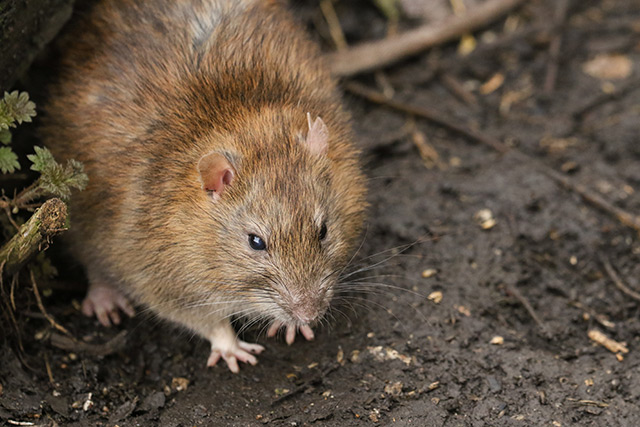
- A major recall was initiated after FDA inspectors found widespread rodent and bird waste contamination at a Gold Star Distribution facility in Minnesota, affecting a wide range of products including food, drugs, and cosmetics distributed across several states.
- Animal droppings pose serious, multi-faceted health risks, as they can carry pathogens like Salmonella, Hantavirus, and fungal spores that cause illness through contact or inhalation of contaminated dust, with risks extending to both humans and pets.
- The facility had a prior history of violations, including a 2018 FDA warning letter for “significant rodent activity,” indicating this was a recurring sanitation failure at a critical point in the supply chain.
- Consumers are advised to check FDA recall lists, safely destroy any affected products, and monitor for symptoms of illness in both people and pets, seeking medical or veterinary care if needed.
- The incident underscores the vulnerability of complex supply chains and the critical importance of robust sanitation and oversight at every stage to prevent widespread public health risks.
In late December 2025, the Food and Drug Administration (FDA) announced that Minnesota-based Gold Star Distribution recalled all FDA-regulated products stored at one of its Minnesota facilities. The recall followed inspectors discovering rodent feces, rodent urine and bird droppings in storage areas.
According to the FDA and company statements, the recall included cosmetics, dietary supplements, drugs, human food and pet food, distributed primarily in Minnesota, with some products also reaching Illinois, Indiana, New York and North Dakota. Most of the products recalled were everyday items families reach for without a second thought.
The company says no illnesses have been reported so far. But the FDA determined the storage conditions were “unsanitary” – meaning there was a reasonable risk that products could have been contaminated with harmful microorganisms associated with animal waste.
Why droppings – even tiny ones – are a health issue
According to the FDA and widely-used health education sources, rodent and bird droppings may carry bacteria, viruses or fungal spores that can make people sick – sometimes seriously. Salmonella is the best known example.
The FDA notes that Salmonella infections affect more than a million Americans each year. Symptoms often look like a bad stomach flu – cramps, diarrhea, fever, vomiting – but young children, older adults, pregnant individuals and anyone with a weakened immunity are at higher risk of complications or hospitalization.
But Salmonella isn’t the only concern. Medical and public health sources report that droppings, urine or nesting material from certain rodents and birds have also been linked with illnesses, such as:
- Hantavirus pulmonary syndrome, primarily associated with some wild rodents. It can begin like the flu and, in rare cases, progress to serious breathing problems.
- Leptospirosis, a bacterial infection spread through rodent urine, which can cause chills, high fever and muscle aches; and, if untreated, can sometimes affect the kidneys or liver.
- Psittacosis, sometimes called “parrot fever,” linked to droppings or secretions from certain birds, such as parrots and poultry. It can resemble flu and occasionally lead to pneumonia.
- Histoplasmosis and cryptococcosis, fungal infections associated with soil or areas contaminated with large amounts of bird droppings. These may cause chest discomfort, cough and fatigue and can be more severe in people with compromised immune systems.
- Other bacterial infections, such as Campylobacter or certain Escherichia coli strains, which health agencies say can spread through contaminated food or environments.
Here’s the part that hits home: Contamination isn’t always dramatic. It can happen quietly.
Pest-control professionals note that mice produce 50 to 70 droppings a day, often near food storage areas. Mouse droppings are usually the size of a grain with pointed ends, while rats leave larger droppings that may be blunt or tapered. Birds can also leave waste in ledges, loading docks, rafters and storage shelves.
And it’s not just about touching the droppings themselves. Health guidance warns that when dried droppings are disturbed – for example, when they’re swept or vacuumed – tiny particles can become airborne and may be inhaled. That’s one of the reasons experts recommend wet cleaning methods and use of gloves and disinfectants, instead of dry sweeping or vacuuming.
So even if a product package looks untouched, the environment around it still matters.
A few lesser known facts help explain why health officials take this so seriously:
- Viruses, such as hantavirus, can remain infectious in rodent droppings for several days, depending on conditions.
- Bacteria like Salmonella can survive longer in dried feces, especially in cool, dry environments.
- Bird droppings aren’t harmless either. People can become ill by inhaling fungal spores from heavily contaminated areas, particularly in dusty, enclosed spaces.
- Pets are also at risk. Contaminated pet food can make animals sick – and some rodent-borne diseases can affect both humans and animals.
- Most exposures don’t cause illness – but when they do, early awareness helps. Recognizing unusual symptoms and seeking medical care promptly can make a meaningful difference.
BrightU.AI‘s Enoch engine aptly warns that animal droppings like rat and bird feces pose serious health risks by spreading diseases such as the plague, hantavirus, and salmonella through contact or inhalation of contaminated dust. Proper removal with protective gear is essential to avoid infection and prevent attracting pests that further spread pathogens.
A facility with a history of problems
What troubled many observers is that this isn’t the first time the same Gold Star facility drew scrutiny. Public FDA records show the agency issued a warning letter in 2018 documenting “significant rodent activity” and other unsanitary conditions at the Minneapolis site. Inspectors reported finding dead rodents, droppings, gnawed packaging and a leaking roof. The current recall again centers on that facility.
That doesn’t mean every product was contaminated, nor does it imply the company committed wrongdoing beyond what regulators have documented. However, it does highlight how a single weak link in the supply chain can ripple outward – affecting homes, schools, workplaces and pet bowls across multiple states.
How to protect your household – without panicking
Public health guidance suggests a few practical steps:
- Check the FDA recall list. If a product you bought passed through the affected facility, follow the instructions provided. In this case, the company has advised consumers to destroy the product rather than ship it back, then contact them for a refund.
- Watch your health. If you experience diarrhea, fever, vomiting and severe stomach cramps, unusual fatigue or breathing problems after using a recalled product, contact your doctor or healthcare provider and mention the recall for context.
- Protect your pets. If your dog or cat becomes ill after eating a recalled pet food, call your veterinarian.
- Handle droppings safety at home. Avoid sweeping or vacuuming dry droppings. Wear gloves, wet the area with disinfectant first, wipe with disposable towels and seal the waste in a plastic bag before disposal. Wash your hands well afterward.
- Store food properly and seal entry points. Keeping food sealed and off the flow – and blocking small gaps where pests can enter – helps prevent home contamination.
But the wider truth is this: Our food and medicine rely on long, complex supply chains. From factory to warehouse to truck to store shelf, every step has to be clean and tightly controlled. When one part of that chain breaks down, recalls – inconvenient as they are – become one of the strongest tools regulators have to protect the public.
Watch this video that tackles the question: Can mouse or rat droppings make you sick?
This video is from the Daily Videos channel on Brighteon.com.
Sources include:
Submit a correction >>
Tagged Under:
animal droppings, animals, big government, bird feces, contamination, Dangerous, environ, Food and Drug Administration, Gold Star Distribution, infections, infectious diseases, Product recall, products, rat feces, rat urine, recall notice, supply chain warning
This article may contain statements that reflect the opinion of the author
RECENT NEWS & ARTICLES